Trousers that are too long or too short are one of the most common reasons why people turn to a tailor. It’s also one of the simplest and cheapest alterations you can have done — but the price varies depending on the fabric, style and the extent of the alteration. Here, we’ll go through what you can expect to pay, how long it takes and how the process of shortening or lengthening trousers works at Qfix.
How much does it cost to have trousers taken up?
Shortening trousers is one of the most common alterations carried out by a tailor, and the price is normally around 400 kr. The final price depends on:
Fabric type — jeans with double stitching and thicker fabrics take longer to sew than thinner trouser fabrics.
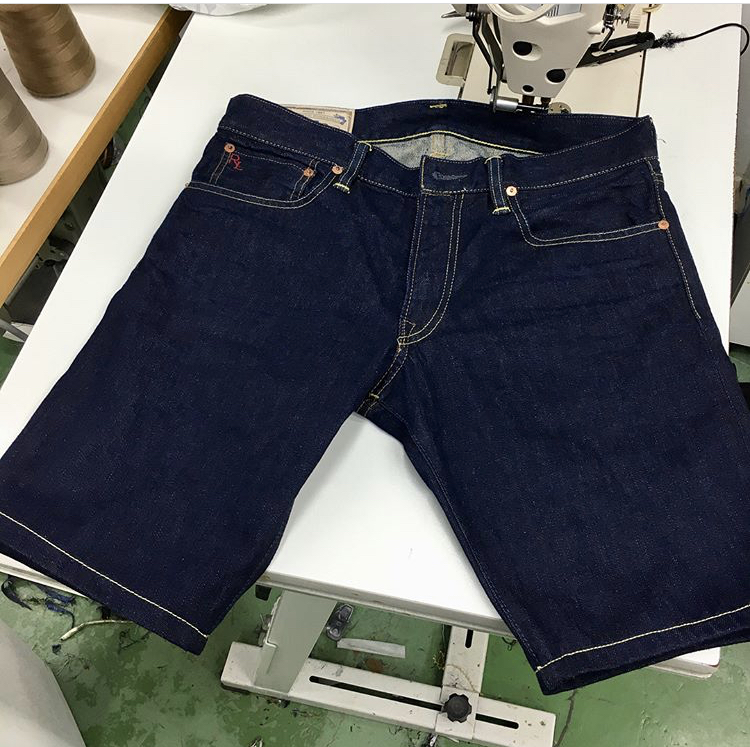
Whether the original hem is to be retained — particularly with jeans, many people want to keep the authentic edge (the original hem), which is a more time-consuming technique than a standard hem.
Whether there is a lining or a turn-up — suit trousers and trousers with turn-ups usually take a little longer.
How much does it cost to have trousers taken up?
Lengthening trousers is a bit more limited than shortening them — there’s only fabric left to work with if there’s already a hem allowance. A tailor can quickly assess whether it’s possible, and if it is, the price is in the same ballpark as shortening trousers. If it isn’t possible to lengthen them by sewing, a tailor may instead suggest attaching a trim or replacing the lower part of the leg.
How long does it take?
Most alterations are completed within a few days. With Qfix, you take a photo of the garment, get an instant quote and can then drop off or post your trousers to a tailor near you — without having to ring around and compare prices yourself.
Here’s how it works at Qfix
Take a photo of your trousers and describe what needs to be altered.
Get an instant quote before you book.
Drop off the garment at a tailor near you, or use the collection service where available.
Collect your altered trousers — you only pay once you’re satisfied.
Yes, this is known as preserving the original hem and is a common technique used by tailors who work with jeans. It takes slightly longer than a standard hem, which may affect the price slightly.
It depends on how much fabric is left in the hem. A tailor can tell straight away from the photo whether it’s possible.
Yes, but it usually takes a little longer than a standard hem because the gusset needs to be re-sewn.